How Much Does a Website Cost in India?
SJ Web Developers · January 2025

Building a website is one of the first and most important steps for any business,
startup, or personal brand in today’s digital world.
One of the most common questions people ask before starting is:
“How much does a website cost in India?”
The short answer is — it depends.
The cost of a website in India can range from
₹5,000 to ₹2,00,000 or more,
depending on several factors such as the type of website,
features, design complexity, and the technology used.
This guide explains website pricing in simple terms
so you can make the right decision without confusion.
Types of Websites and Their Cost in India
1. Static Website
A static website is the most basic type of website,
usually consisting of 3–5 pages such as
Home, About, Services, and Contact.
Cost range: ₹5,000 – ₹15,000
Best for: Small businesses, portfolios, personal websites
Static websites are affordable, load fast,
and are easy to maintain,
but they offer limited functionality.
2. Dynamic Website
Dynamic websites allow content updates,
contact forms, admin panels,
and interactive features.
Cost range: ₹15,000 – ₹40,000
Best for: Growing businesses, service providers
These websites are more flexible and scalable
compared to static websites.
3. WordPress Website
WordPress is one of the most popular platforms
for building websites due to its flexibility
and ease of use.
Cost range: ₹10,000 – ₹60,000
Best for: Blogs, business websites, content-heavy sites
The final cost depends on
whether you use a free or premium theme
and how much customization is required.
4. eCommerce Website
An eCommerce website allows you to sell products online
with features like payment gateways,
inventory management,
and order tracking.
Cost range: ₹30,000 – ₹1,50,000+
Best for: Online stores, brands, startups
The price increases based on features such as
multiple payment options,
advanced security,
and custom user interface design.
5. Custom Web Application
Custom web applications are built from scratch
using modern frameworks like
Laravel, React, or Vue.
Cost range: ₹80,000 – ₹2,00,000+
Best for: Large businesses and startups
with unique technical requirements.
These projects require more development time,
planning, and technical expertise.
Factors That Affect Website Cost
1. Design and User Interface
Custom-designed websites cost more
than template-based designs.
A professional UI/UX design improves user engagement
but increases development cost.
2. Features and Functionality
Advanced features such as login systems,
booking forms,
payment gateways,
dashboards,
and third-party API integrations
directly affect pricing.
3. Content Creation
If you need professional content writing,
images,
or videos,
the overall website cost will increase.
4. Hosting and Domain
A domain name typically costs
₹800 to ₹1,200 per year,
while hosting can range from
₹1,500 to ₹10,000 annually,
depending on performance and traffic needs.
5. Maintenance and Support
Ongoing maintenance,
security updates,
and backups
may cost extra on a monthly or yearly basis.
How to Reduce Website Development Cost
You can reduce website cost by:
- Clearly defining your requirements before starting
- Avoiding unnecessary features in the beginning
- Choosing the right platform for your needs
- Working with an experienced development team
Proper planning can save both time and money.
Final Thoughts
Website cost in India varies based on complexity,
features,
and long-term goals.
A simple website can be built at a low cost,
while advanced platforms require higher investment.
Instead of choosing the cheapest option,
focus on quality,
scalability,
and business value.
A well-built website is not an expense —
it is an investment in your digital growth.
WordPress vs Laravel: Which Is Better?
SJ Web Developers · March 2025

Choosing the right platform for your website is a critical decision
that can directly impact performance, scalability, and long-term success.
Two of the most popular options today are
WordPress and Laravel.
While both are powerful,
they serve very different purposes.
This guide will help you understand
which platform is better for your business needs.
So the big question is —
WordPress vs Laravel: Which is better?
The answer depends on what you want to build.
What Is WordPress?
WordPress is a content management system (CMS)
that powers over 40% of websites on the internet.
It is known for its ease of use,
flexibility,
and large ecosystem of themes and plugins.
WordPress is ideal for users
who want to create websites quickly
without deep technical knowledge.
It is commonly used for:
- Blogs
- Business websites
- Portfolio websites
- Content-heavy platforms
With WordPress,
you can manage content easily
through an admin dashboard
without writing code.
What Is Laravel?
Laravel is a PHP framework
used to build custom web applications
from scratch.
Unlike WordPress,
Laravel is not a CMS.
It is a development framework
designed for developers
who need full control over the system.
Laravel is commonly used for:
- Custom web applications
- Large-scale platforms
- Enterprise systems
- Complex business logic
Laravel offers better performance,
security,
and scalability
for advanced projects.
WordPress vs Laravel: Key Differences
1. Ease of Use
WordPress is beginner-friendly
and does not require coding skills.
Laravel requires programming knowledge
and is suited for experienced developers.
2. Customization
WordPress relies heavily on plugins and themes.
Laravel allows full customization
because everything is built from scratch.
3. Performance
Laravel applications are generally faster
because they do not rely on heavy plugins.
WordPress performance depends on
themes, plugins, and hosting quality.
4. Security
Laravel provides built-in security features
like CSRF protection and encryption.
WordPress can be secure,
but poor plugin choices can create vulnerabilities.
5. Scalability
Laravel is highly scalable
and suitable for growing applications.
WordPress can scale,
but complex scaling requires careful optimization.
When Should You Choose WordPress?
WordPress is the right choice if:
- You want a website quickly
- You have a limited budget
- You need a blog or business site
- You want easy content management
WordPress is perfect for
small to medium-sized businesses
and content-focused websites.
When Should You Choose Laravel?
Laravel is the better option if:
- You need a custom web application
- Your project has complex logic
- You expect high traffic
- You want long-term scalability
Laravel is ideal for startups
and enterprises
that require advanced functionality.
Cost Comparison
WordPress websites are generally cheaper
to develop initially.
Laravel projects cost more
because they require custom development.
However,
Laravel can be more cost-effective
in the long run
for complex applications.
Final Verdict
There is no one-size-fits-all answer
to the WordPress vs Laravel debate.
If you need simplicity,
speed,
and ease of use,
WordPress is the better choice.
If you need performance,
security,
and full customization,
Laravel is the better option.
The best platform is the one
that aligns with your business goals
and future growth plans.
App Development and Its Usage in Modern Business
SJ Web Developers · June 2025

App development has become an essential part
of modern business and everyday life.
With the rapid growth of smartphones
and internet access,
mobile applications are now
one of the most powerful digital tools.
From startups to large enterprises,
businesses use mobile apps
to connect with customers,
streamline operations,
and increase revenue.
This article explains
what app development is,
how it works,
and why it is important
in today’s digital ecosystem.
What Is App Development?
App development is the process
of creating software applications
that run on mobile devices
such as smartphones and tablets.
These applications are designed
for operating systems like
Android and iOS.
Apps can be:
- Native apps
- Web apps
- Hybrid apps
Each type serves different purposes
based on performance,
budget,
and user requirements.
Types of Mobile Applications
1. Native Applications
Native apps are built specifically
for a single platform,
such as Android or iOS.
They offer the best performance,
high security,
and smooth user experience.
Common technologies used:
- Java / Kotlin for Android
- Swift for iOS
2. Web Applications
Web apps run in a browser
and do not need to be installed
from an app store.
They are cost-effective
and easy to maintain,
but offer limited device access.
3. Hybrid Applications
Hybrid apps combine
native and web technologies.
They allow faster development
and support multiple platforms
using a single codebase.
Popular hybrid frameworks include:
- Flutter
- React Native
- Ionic
Why App Development Is Important
1. Better Customer Engagement
Mobile apps allow businesses
to engage customers directly
through notifications,
offers,
and personalized content.
2. Increased Brand Visibility
Having an app on a user’s phone
keeps your brand visible
and accessible at all times.
3. Improved Business Efficiency
Apps help automate processes,
manage data,
and improve internal workflows.
4. Higher Revenue Opportunities
Businesses can generate revenue
through in-app purchases,
subscriptions,
and advertising.
Common Uses of Mobile Applications
- Online shopping and eCommerce
- Food delivery services
- Banking and finance
- Healthcare and fitness
- Education and e-learning
- Entertainment and streaming
App Development Cost in India
The cost of app development in India
varies depending on features,
platform,
and complexity.
Basic app: ₹30,000 – ₹60,000
Business app: ₹60,000 – ₹1,50,000
Advanced app: ₹1,50,000+
Maintenance and updates
may require additional cost.
Future of App Development
App development continues to evolve
with technologies like:
- Artificial Intelligence
- Internet of Things
- Cloud Computing
- Augmented Reality
Businesses investing in mobile apps today
are better prepared
for future digital growth.
Final Thoughts
App development is no longer optional —
it is a necessity
for businesses that want to stay competitive.
A well-designed mobile app
can improve customer experience,
increase efficiency,
and drive long-term success.
Choosing the right development approach
and experienced developers
is key to building a successful app.
Blockchain Development and the Crypto World
SJ Web Developers · August 2025

Blockchain development has emerged
as one of the most revolutionary technologies
in the digital era.
It is the backbone of cryptocurrencies
and many decentralized systems
used across industries.
From secure financial transactions
to transparent data management,
blockchain is transforming
how digital systems operate.
This article explains
what blockchain development is,
how it connects to the crypto world,
and why it matters today.
What Is Blockchain Technology?
Blockchain is a decentralized digital ledger
that records transactions
across multiple computers.
Each transaction is stored
in a block,
and every block is linked
to the previous one,
forming a secure chain.
Once data is recorded on the blockchain,
it cannot be altered
without network consensus.
What Is Blockchain Development?
Blockchain development refers
to creating applications
and systems
that use blockchain technology.
It includes building:
- Smart contracts
- Decentralized applications (DApps)
- Cryptocurrency tokens
- Blockchain-based platforms
Blockchain developers focus on
security,
performance,
and decentralization.
Understanding the Crypto World
Cryptocurrency is a digital currency
that uses cryptography
to secure transactions.
Bitcoin was the first cryptocurrency,
followed by many others
such as Ethereum,
BNB,
and Solana.
The crypto world includes:
- Cryptocurrencies
- Crypto wallets
- Exchanges
- DeFi platforms
- NFT marketplaces
Role of Blockchain in Cryptocurrency
1. Security
Blockchain ensures secure transactions
without relying on a central authority.
2. Transparency
All transactions are recorded publicly,
making the system transparent
and verifiable.
3. Decentralization
No single entity controls the blockchain,
reducing the risk of manipulation.
4. Smart Contracts
Smart contracts automatically execute
transactions when conditions are met,
eliminating intermediaries.
Applications of Blockchain Technology
- Cryptocurrency payments
- Supply chain management
- Healthcare data security
- Digital identity verification
- Gaming and NFTs
- Decentralized finance (DeFi)
Blockchain Development Cost in India
The cost of blockchain development in India
depends on the project scope
and complexity.
Basic smart contract: ₹30,000 – ₹70,000
DApp development: ₹80,000 – ₹2,00,000
Custom blockchain solutions: ₹2,00,000+
Security audits and maintenance
may add to the cost.
Challenges in Blockchain Development
Despite its benefits,
blockchain development faces challenges:
- Scalability issues
- High transaction fees
- Regulatory uncertainty
- Security vulnerabilities
Future of Blockchain and Crypto
Blockchain technology continues to evolve
with innovations like:
- Layer 2 solutions
- Web3 applications
- Decentralized autonomous organizations
- Cross-chain interoperability
As adoption increases,
blockchain will play a key role
in shaping the digital economy.
Final Thoughts
Blockchain development and the crypto world
are redefining trust,
security,
and digital ownership.
Businesses and developers
who embrace blockchain early
gain a competitive advantage
in the evolving digital landscape.
Understanding blockchain today
prepares you for the future of technology.
20+ Current Trending Technologies in the IT Industry Today
SJ Web Developers · September 2025
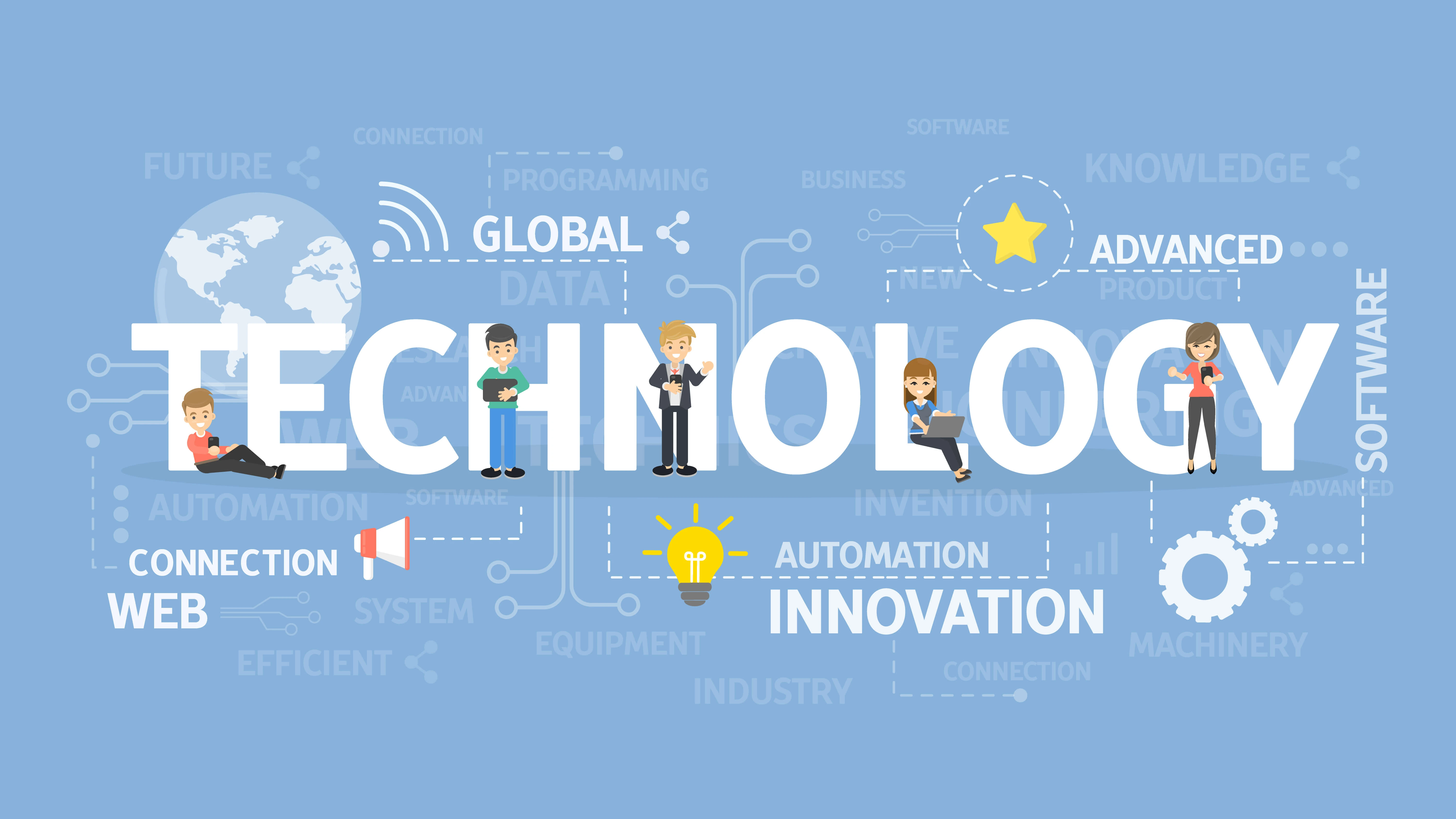
The IT industry is constantly evolving,
with new technologies reshaping
how businesses operate
and how people interact with digital systems.
Keeping up with the latest trends
is essential for developers,
entrepreneurs,
and IT professionals.
This article explores over 20 trending technologies
that are making waves in the IT sector
and driving innovation worldwide.
1. Artificial Intelligence (AI)
AI enables machines to learn from data,
make decisions, and perform tasks
that typically require human intelligence.
Applications include chatbots,
recommendation systems, and predictive analytics.
2. Machine Learning (ML)
ML is a subset of AI that focuses on
algorithms that improve automatically
through experience and data.
It is widely used in finance, healthcare,
and marketing for predictions and insights.
3. Blockchain Technology
Blockchain provides a secure, decentralized ledger
for digital transactions.
It underpins cryptocurrencies,
smart contracts, and decentralized applications (DApps).
4. Internet of Things (IoT)
IoT connects physical devices
to the internet, enabling them
to collect and share data.
Smart homes, wearables, and industrial automation
are common IoT applications.
5. Cloud Computing
Cloud platforms such as AWS, Azure, and Google Cloud
allow businesses to store data,
run applications, and scale services
without investing in physical infrastructure.
6. DevOps
DevOps is a methodology that combines development
and IT operations.
It emphasizes collaboration, automation,
and continuous delivery.
7. Cybersecurity
As digital threats increase,
cybersecurity technologies
like firewalls, encryption,
and threat detection
are critical for protecting data.
8. Big Data Analytics
Big Data tools analyze large volumes of structured
and unstructured data
to uncover insights
and drive better business decisions.
9. Virtual Reality (VR) & Augmented Reality (AR)
VR immerses users in a virtual world,
while AR overlays digital elements
onto the real world.
Both are widely used in gaming, training, and marketing.
10. Robotic Process Automation (RPA)
RPA automates repetitive tasks,
reducing human error
and increasing efficiency
in business processes.
11. Edge Computing
Edge computing processes data closer to
the source or device,
reducing latency
and improving real-time applications.
12. 5G Technology
5G networks provide high-speed
connectivity, low latency,
and massive device support,
enabling better mobile experiences and IoT growth.
13. Quantum Computing
Quantum computers perform complex calculations
at speeds unattainable by traditional computers.
This technology is advancing fields
like cryptography, material science, and AI.
14. Serverless Architecture
Serverless computing allows developers
to run applications
without managing servers,
scaling automatically
based on demand.
15. API Development & Integration
APIs allow applications
to communicate with each other
efficiently.
API-first development
is trending in SaaS and web platforms.
16. Progressive Web Apps (PWA)
PWAs combine web and mobile app features,
providing offline access,
push notifications,
and faster loading times.
17. Containerization (Docker & Kubernetes)
Containers package applications
and dependencies together,
allowing consistent deployment
across different environments.
Kubernetes helps manage and scale containers efficiently.
18. Low-Code / No-Code Development
Low-code platforms allow rapid application development
with minimal coding knowledge.
This empowers businesses to build solutions faster.
19. Natural Language Processing (NLP)
NLP enables computers to understand, interpret,
and respond to human language.
It powers chatbots, voice assistants,
and translation services.
20. Internet Security & Privacy Tools
With increased data collection,
tools for privacy compliance,
encryption, and secure authentication
are more important than ever.
21. Augmented Analytics
This emerging trend uses AI and ML
to automate data preparation,
analysis, and insights,
making analytics faster and more accurate.
Final Thoughts
The IT industry is rapidly evolving,
and staying updated with current technologies
is critical for businesses and professionals alike.
From AI and blockchain
to cloud computing and 5G,
these trends are shaping the digital landscape.
Investing in learning and implementing
these technologies
can give you a competitive advantage
and prepare your business
for the future.
AI & Automation in Modern Technology
SJ Web Developers · October 2025
Artificial Intelligence (AI) and automation
are transforming industries worldwide.
From enhancing business efficiency
to creating intelligent solutions,
these technologies are redefining how we work and live.
Businesses of all sizes are investing
in AI-powered automation
to streamline operations,
reduce errors, and increase productivity.
What Is AI?
AI is the simulation of human intelligence in machines
that are programmed to think,
learn, and make decisions.
AI applications include:
- Machine learning algorithms
- Natural Language Processing (NLP)
- Computer vision
- Robotics
What Is Automation?
Automation refers to using technology
to perform tasks with minimal human intervention.
It can be as simple as automating repetitive office tasks
or as advanced as fully autonomous manufacturing systems.
Automation increases efficiency,
reduces human error,
and allows employees to focus
on high-value tasks.
Applications of AI & Automation
1. Customer Service
AI chatbots and virtual assistants
help businesses respond to customer queries
quickly and accurately,
24/7.
2. Healthcare
AI-powered diagnostics,
robot-assisted surgeries,
and predictive analytics
are revolutionizing patient care.
3. Finance & Banking
Automation and AI manage financial transactions,
detect fraud,
analyze market trends,
and provide personalized recommendations.
4. Manufacturing
Robotic automation and AI monitoring
optimize production,
reduce downtime,
and improve product quality.
5. E-commerce & Retail
AI analyzes consumer behavior
and automates inventory management,
pricing strategies,
and personalized marketing campaigns.
Benefits of AI & Automation
- Increased efficiency and productivity
- Reduction of human error
- Cost savings and better resource utilization
- Enhanced customer experiences
- Faster decision-making using predictive analytics
Challenges in AI & Automation
- High initial investment
- Workforce adaptation and reskilling
- Data privacy and security concerns
- Ethical considerations in decision-making
Future Trends in AI & Automation
- Hyperautomation: combining AI, RPA, and advanced analytics
- AI-powered cybersecurity solutions
- Voice and speech recognition systems
- Autonomous vehicles and drones
- Integration with IoT for smart industries
AI & Automation in Daily Life
From smart home devices to virtual assistants like Alexa and Siri,
AI and automation are becoming part of everyday life.
They simplify tasks, provide recommendations,
and even help manage personal schedules.
Final Thoughts
AI and automation are no longer optional technologies —
they are essential tools for businesses
to stay competitive and efficient.
The integration of AI and automation
helps reduce costs,
enhance performance,
and improve decision-making.
Understanding these technologies
and investing in them wisely
can prepare individuals and businesses
for a smarter, more efficient future.
Cloud Computing and Its Role in Modern IT
SJ Web Developers · December 2025
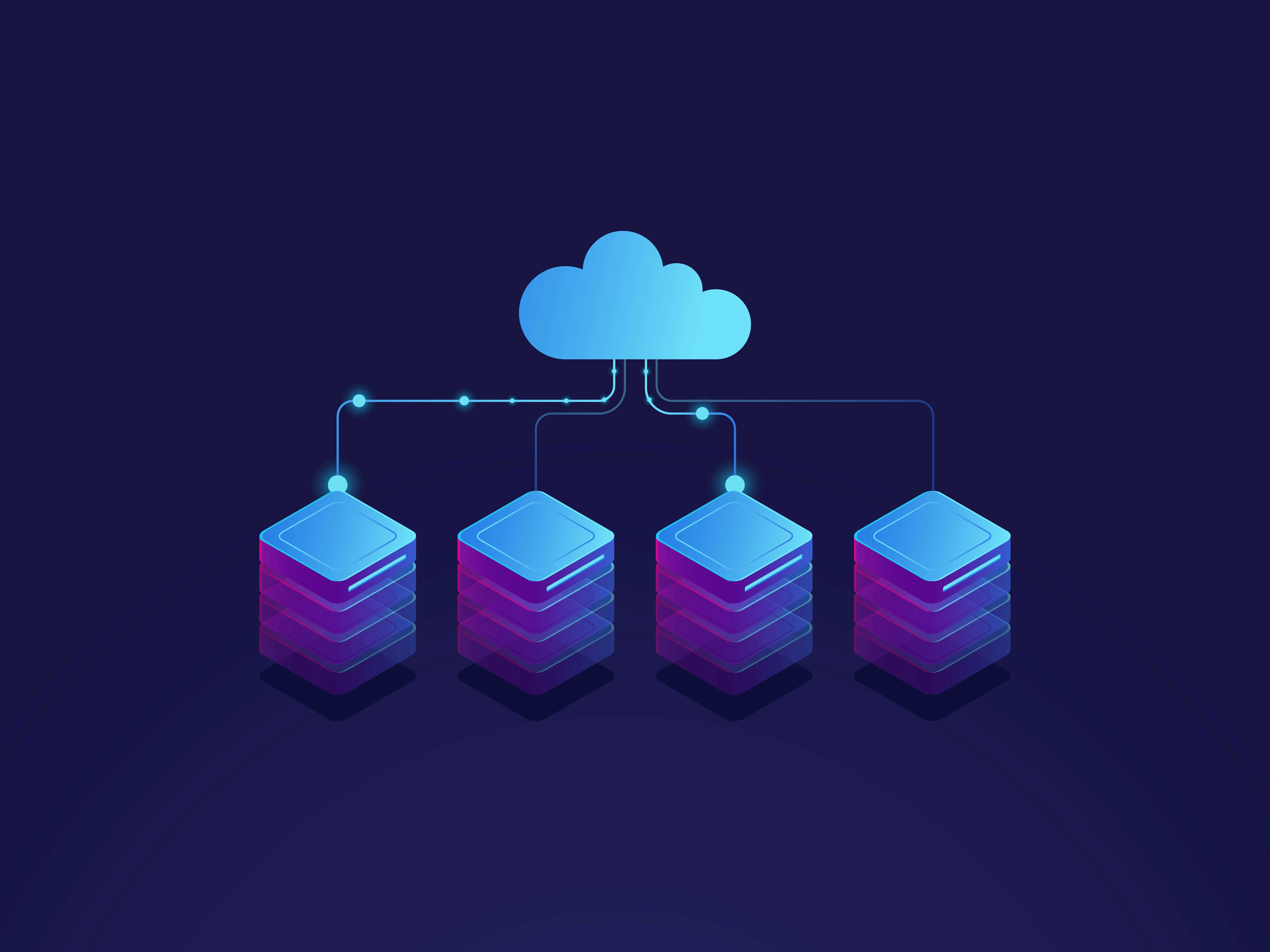
Cloud computing has revolutionized the IT industry,
allowing businesses to access computing resources,
store data, and run applications
over the internet without investing in physical servers.
With cloud computing, companies of all sizes
can scale services efficiently,
reduce costs,
and improve collaboration across teams.
What Is Cloud Computing?
Cloud computing is the delivery of computing services —
including servers, storage, databases, networking,
software, and analytics — over the internet (“the cloud”).
It eliminates the need for local infrastructure
and allows organizations to access resources
from anywhere at any time.
Types of Cloud Computing
1. Public Cloud
In a public cloud, services are hosted by third-party providers
and shared among multiple organizations.
Popular providers include:
- Amazon Web Services (AWS)
- Microsoft Azure
- Google Cloud Platform (GCP)
Public clouds are cost-effective,
highly scalable,
and require minimal maintenance.
2. Private Cloud
Private clouds are dedicated to a single organization.
They offer higher security and control
but require more resources and management.
3. Hybrid Cloud
Hybrid clouds combine public and private cloud environments,
allowing businesses to balance flexibility,
security, and cost efficiency.
4. Multi-Cloud
Multi-cloud involves using multiple cloud providers
to reduce dependency on a single vendor,
enhance redundancy, and optimize performance.
Benefits of Cloud Computing
- Scalability: easily increase or decrease resources as needed
- Cost-efficiency: pay only for what you use
- Accessibility: access resources from anywhere with internet
- Collaboration: multiple users can work on the same project simultaneously
- Security: providers offer advanced data protection and backups
- Automatic updates: cloud providers handle software and security updates
Applications of Cloud Computing
Cloud computing is widely used in various sectors:
- Web hosting and application development
- Data storage and backup
- Machine learning and AI workloads
- IoT and smart devices integration
- Enterprise resource planning (ERP) systems
- Remote work and collaboration tools
Cloud Deployment Models
1. Infrastructure as a Service (IaaS)
Provides virtualized computing resources
like servers, storage, and networking.
Users manage applications and data,
while providers handle infrastructure.
2. Platform as a Service (PaaS)
Provides a development platform
allowing developers to build applications
without managing underlying infrastructure.
3. Software as a Service (SaaS)
Delivers software applications
over the internet on a subscription basis.
Examples include Google Workspace, Zoom, and Salesforce.
Challenges in Cloud Computing
- Data privacy and compliance issues
- Vendor lock-in risks
- Downtime or service outages
- Performance variability depending on internet speed
Future of Cloud Computing
Cloud computing continues to grow
with trends such as:
- Serverless computing for more efficient resource use
- Edge computing to reduce latency
- AI and machine learning integration
- Increased focus on cloud security
- Multi-cloud strategies for redundancy and flexibility
Final Thoughts
Cloud computing is no longer a luxury —
it is a necessity for modern businesses.
It enables scalability, efficiency, and innovation,
while reducing infrastructure costs.
Understanding cloud technologies
and leveraging them effectively
can position your business
for long-term success in the digital era.
Java vs Python: Which Programming Language Should You Choose?
SJ Web Developers · December 2025

Java and Python are two of the most popular programming languages
in the world today.
Both are widely used in web development, software engineering,
data science, and enterprise applications.
Choosing the right language depends on your project requirements,
career goals, and technical preferences.
In this guide, we compare Java and Python
to help you make an informed decision
based on their strengths, weaknesses, and applications.
Overview of Java
Java is a high-level, object-oriented programming language
developed by Sun Microsystems in 1995.
It is platform-independent
thanks to the Java Virtual Machine (JVM),
making it ideal for cross-platform applications.
Java is widely used for:
- Enterprise applications
- Android app development
- Web applications and server-side programming
- Large-scale systems and backend services
Overview of Python
Python is a high-level, interpreted programming language
known for its simplicity and readability.
It has a vast ecosystem of libraries
and frameworks, making it ideal for rapid development.
Python is commonly used for:
- Data science and machine learning
- Web development (Django, Flask)
- Automation and scripting
- Artificial intelligence and analytics
Key Differences Between Java and Python
1. Syntax
Python is known for its clean, concise syntax,
making it easier for beginners to learn.
Java has a more verbose syntax,
requiring explicit declarations and semicolons.
2. Performance
Java generally performs faster
because it is compiled into bytecode
that runs on the JVM.
Python is interpreted,
which can make it slower for certain applications.
3. Typing System
Java uses static typing,
meaning variables must be declared with a data type.
Python uses dynamic typing,
allowing more flexibility but potentially causing runtime errors.
4. Libraries and Frameworks
Python has a rich set of libraries
for AI, data science, web development,
and automation.
Java has strong frameworks
for enterprise solutions,
mobile apps, and large-scale backend systems.
5. Community Support
Both languages have large communities,
but Python’s popularity in AI and machine learning
gives it an edge in emerging technologies.
Java has a strong presence in corporate environments.
When to Choose Java
- Building large-scale enterprise applications
- Developing Android apps
- High-performance backend systems
- Long-term scalability and reliability
Java is ideal for developers seeking
job opportunities in enterprise IT,
mobile development, or backend engineering.
When to Choose Python
- Working in data science or machine learning
- Rapid prototyping and development
- Automation tasks and scripting
- Web development with frameworks like Django or Flask
Python is perfect for beginners
and for projects requiring speed,
flexibility, and a wide range of libraries.
Career Opportunities
Both Java and Python offer excellent career prospects:
- Java: Enterprise software developer, Android developer, backend engineer
- Python: Data scientist, AI engineer, web developer, automation specialist
Final Verdict
There is no absolute winner between Java and Python.
Choose the language based on your project needs,
career goals, and preferred development style.
For enterprise-level applications and Android development, Java is ideal.
For AI, machine learning, and rapid development, Python is the better choice.
Ultimately, learning both languages can provide
a competitive edge in the IT industry,
allowing you to adapt to multiple technologies and roles.
Apache Kafka and Its Role in Modern Data Streaming
SJ Web Developers · January 2026

Apache Kafka is a powerful open-source platform
designed for building real-time data pipelines
and streaming applications.
It enables the handling of large volumes of data
across distributed systems efficiently and reliably.
Kafka has become a critical component
in modern IT infrastructure,
supporting applications in finance, e-commerce,
IoT, and many other industries.
What Is Apache Kafka?
Kafka is a distributed streaming platform
developed by LinkedIn and open-sourced by Apache.
It allows producers to publish data streams,
which consumers can read in real-time.
Kafka is designed for high throughput,
fault tolerance, and scalability,
making it ideal for mission-critical applications.
Core Components of Kafka
1. Producer
The producer sends data to Kafka topics.
It can be an application, server, or system
that generates real-time data.
2. Consumer
Consumers read data from Kafka topics.
Multiple consumers can read the same data independently,
allowing flexible processing pipelines.
3. Broker
A Kafka broker is a server that stores data
and serves client requests.
Kafka clusters can have multiple brokers
for load balancing and fault tolerance.
4. Topic
A topic is a logical channel
where messages are categorized and stored.
Producers write to topics, and consumers read from them.
5. Zookeeper
Zookeeper manages and coordinates Kafka brokers,
ensuring reliability and cluster health.
Some modern Kafka versions offer Zookeeper-less modes.
Key Features of Apache Kafka
- High throughput for large-scale data
- Fault-tolerant and distributed architecture
- Scalable horizontally by adding more brokers
- Durable message storage with replay capability
- Supports real-time stream processing with Kafka Streams
Applications of Kafka in the IT Industry
1. Real-Time Analytics
Kafka allows organizations to process data streams
in real-time,
enabling faster decision-making and actionable insights.
2. Data Integration and ETL
Kafka is used to integrate data from multiple sources,
streamline ETL processes,
and synchronize systems efficiently.
3. Event-Driven Applications
Applications can respond to events as they happen,
such as order placement,
sensor readings, or user activity tracking.
4. Microservices Communication
Kafka acts as a messaging backbone for microservices,
allowing loosely coupled services
to communicate asynchronously.
5. IoT and Sensor Data
Kafka handles large volumes of IoT device data,
processing streams in real-time
for monitoring, analytics, and predictive actions.
Benefits of Using Kafka
- Reliable and fault-tolerant streaming
- High scalability and performance
- Durable message storage with replay support
- Flexible architecture supporting multiple consumers
- Seamless integration with big data platforms
Challenges in Kafka Implementation
- Complex initial setup and configuration
- Requires skilled developers and DevOps
- Monitoring and management can be difficult at scale
- Data schema management requires planning
Future of Kafka and Data Streaming
Kafka continues to evolve with new features,
enhancing real-time processing and integration.
It is expected to remain central
to event-driven architectures,
stream processing applications,
and big data ecosystems.
With increasing adoption of IoT, AI, and cloud-native systems,
Kafka’s role in real-time data streaming
will continue to grow,
empowering businesses to process information instantly
and make smarter decisions.
Final Thoughts
Apache Kafka is a critical tool for modern IT infrastructure,
enabling reliable, scalable, and high-performance
real-time data streaming.
Organizations leveraging Kafka can enhance
analytics, automation, and responsiveness,
gaining a competitive edge
in today’s fast-paced digital world.
Developer vs AI: The Future of Programming
SJ Web Developers · January 2026

The rise of Artificial Intelligence (AI) has sparked debates
about the future role of human developers.
With AI tools capable of writing code, automating tasks,
and assisting in software development,
many wonder: will AI replace developers, or enhance their abilities?
This article explores the dynamic between developers and AI,
examining current trends, advantages, challenges,
and the path forward in programming.
AI in Software Development
AI is transforming how software is developed
by providing:
- Code generation and completion tools (e.g., GitHub Copilot)
- Bug detection and debugging assistants
- Automated testing frameworks
- Performance monitoring and optimization
These AI tools reduce repetitive tasks,
speed up development cycles,
and improve code quality.
Strengths of Human Developers
Despite AI advancements, human developers remain essential:
- Creative problem-solving and innovative thinking
- Understanding business context and user needs
- Designing complex systems and architectures
- Collaboration, empathy, and team coordination
AI excels at efficiency, but human intuition
and critical thinking are irreplaceable.
Strengths of AI in Development
- Automates repetitive coding tasks
- Speeds up debugging and testing processes
- Assists in learning new frameworks and languages
- Supports large-scale data analysis and optimization
By augmenting human skills,
AI allows developers to focus on high-value tasks
and innovation.
Areas Where AI Can Help Developers
1. Code Generation
AI can generate boilerplate code
and even complex functions
based on natural language prompts,
saving significant development time.
2. Automated Testing
AI-driven testing tools identify bugs,
run simulations,
and suggest fixes,
reducing the risk of errors in production.
3. Performance Optimization
AI can analyze system performance
and recommend optimizations for efficiency,
scalability, and resource management.
4. Documentation Assistance
AI can help generate and maintain documentation,
ensuring that code is well-documented and understandable
for future developers.
Challenges of AI in Development
- AI may produce code that lacks context or design sense
- Over-reliance on AI can reduce critical thinking skills
- Ethical considerations in AI-generated software
- AI models require continuous training and data updates
Developer vs AI: Collaboration Over Competition
The future of software development is not humans vs AI,
but humans augmented by AI.
Developers can leverage AI tools
to increase efficiency,
reduce errors,
and explore creative solutions.
By embracing AI,
developers can focus on:
- Strategic system design
- User experience improvements
- Innovation in products and services
- Problem-solving and architecture decisions
Future Trends
- AI-assisted coding becoming a standard in development workflows
- Integration of AI in DevOps pipelines
- Smarter debugging and testing tools
- AI-driven analytics for system monitoring and optimization
- Continuous human-AI collaboration for complex software solutions
Final Thoughts
AI is reshaping the programming landscape,
but it is not replacing developers.
Instead, it serves as a powerful tool
that complements human creativity and expertise.
Developers who adapt and embrace AI-assisted workflows
will gain a competitive advantage,
delivering faster, more efficient, and innovative software solutions.
The synergy of developer skills and AI technology
represents the future of programming —
smarter, faster, and more creative than ever before.